
Thu, 01/08/2026 - 18:27

January 14, 2026

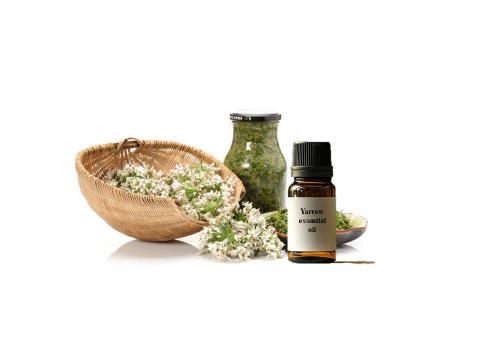
One of the most common gastrointestinal tract diseases is the gastric ulcer. These types of ulcers develop as a result of the disproportion between destructive and defensive features in the gastric mucosa. Stomach ulcers are painful and can seriously reduce quality of life. Medicinal plants and their components have numerous biological actions. The Achillea genus comprises over a hundred species and subspecies, which are dispersed all over the world. Achillea millefolium, family Asteraceae, widely known as “yarrow”, is a frequently used herb in the Middle East as a fresh or dried herb. It is utilized in different forms, such as in tea mixtures, tablets, tinctures, and ointments, among other formulations.
November 7, 2025

The warrior’s shield. A plant of protection, wound healing, and sacred balance — both in battle and in blood.

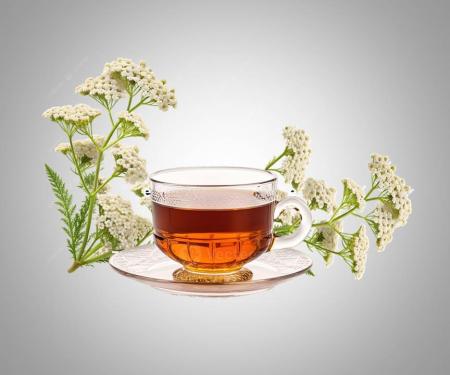
Imagine walking through a wild European meadow where lace-like flowers sway in the wind. Yarrow is there — subtle but powerful. Known for its resilience and wide-ranging benefits, yarrow has been one of Europe’s most trusted healing herbs for centuries.

Yarrow has a legendary history. It’s named after Achilles, the Greek hero said to have used it on the battlefield to staunch wounds. Yarrow was used also by Germanic tribes for the treatment of battle wounds. European folk medicine embraced it as a remedy for everything from fevers and digestive issues to menstrual irregularities and infections. It’s especially valued for its astringent, anti-inflammatory, and circulatory properties. Yarrow was used to regulate blood flow — both to stop excessive bleeding and to stimulate circulation when needed. Women used it for heavy periods, cramps, and to balance the menstrual cycle. It also played a role in fevers, helping the body to sweat out toxins.