
December 13, 2025
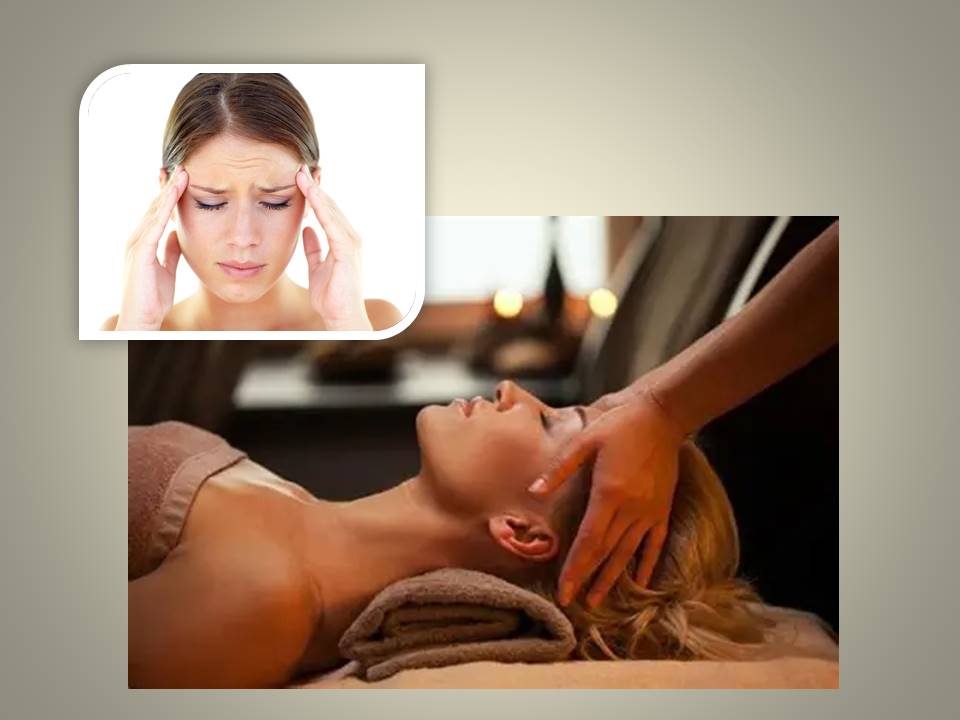
Migraine is a neurovascular pain syndrome characterized by a moderate to severe recurrent headache that is mostly unilateral and throbbing, and also aggravated by physical activity. Since there is no exact cure for migraine, the main aim of managing migraine is to decrease/control symptoms and increase the quality of life. Non-pharmacological treatments like patient education program and manual therapy have favorable effects on migraine symptoms. Connective tissue massage is a soft-tissue manual therapy focusing on stretching the connective tissue layers. The stimulation of the cutaneous-visceral reflexes by stretching connective tissues via short and long tractions regulates the autonomic nervous system and reduces the dysfunction in the affected internal organs sharing the same innervations with skin. Moreover, its mechanical effects on mast cells in the connective tissue create vasodilation by reducing the sympathetic activity. Based on its physiological effects, Connective tissue massage may be preferred to treat circulatory problems, visceral dysfunctions, sympathetic pain, hormonal disorders, and psychological disorders.
Recent studies investigated the effects of Connective tissue massage on pain characteristics, accompanying symptoms, medication usage, disability, sleep quality, psychological status, and the QoL in women with migraine. According to the recent research Connective tissue massage + education program appears to be a more effective approach than education program alone for reducing pain frequency, duration, and intensity, accompanying symptoms such as nausea, photophobia, and phonophobia, the number of drug usage, and disability, and improving QoL in women with migraine. Therefore, Connective tissue massage may be considered as a non-pharmacological and complementary therapy for migraine.
www.sciencedirect.com/science/article/abs/pii/S1360859222001176