
Sun, 02/08/2026 - 20:52

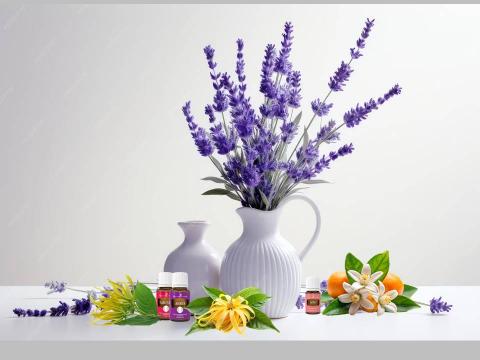
High blood pressure is estimated to be a causative factor in almost 13% of all deaths. The management of hypertension is primarily focused on the use of antihypertensive medications and lifestyle modifications, but many patients have difficulty accepting pharmacotherapy because the duration of therapy will be lifelong and because long-term pharmacotherapy will lead to target organ damage. There are many complementary and alternative therapies aimed at lowering the activity of the sympathetic nervous system in patients with hypertension. Aromatherapy has been claimed to be effective in decreasing one’s BP, and heart rate using the essential oil of plants. Inhaling a blend of lavender, ylang-ylang, marjoram, and neroli essential oils may help support normal blood pressure and reduce stress, to encourage a more relaxed state.

Diffuse 3 drops of lavender, 2 drops each of ylang ylang and neroli, and one drop of marjoram to help support normal blood pressure.
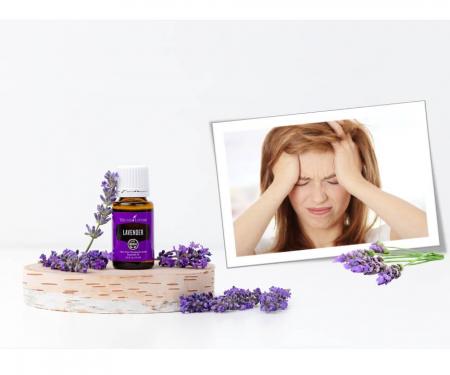
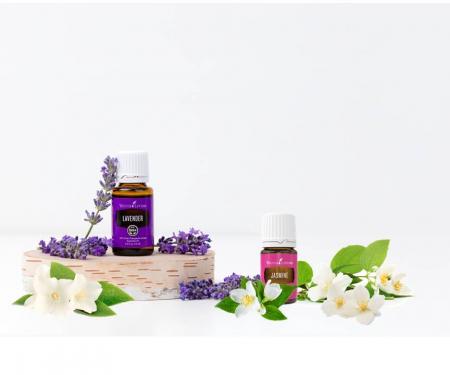
Neurological disorders are diseases of the central and peripheral nervous systems. These disorders affect hundreds of millions of people all over the world.  Globally, there are 47.5 million people with dementia. Dementia is the major cause of Alzheimer's disease (AD) in 7.7 million new cases who develop the disease every year. The prevalence of migraine is more than 10% worldwide. Patients with neurological problems may experience depression or anxiety. Herbal medicine has long been used to cure these diseases. One of these plants is lavender, which is composed of various compounds, including terpenes, such as linalool, limonene, triterpenes, linalyl acetate, alcohols, ketones, polyphenols, coumarins, cineole, and flavonoids.

Essential oils are abundant and volatile compounds obtained from plant parts, like leaves, seeds, and flowers through different methods, such as distillation. The flowers of this plant are used in decoration in ceremonies and its oil is also used in the cosmetics and perfume industry. This plant, especially as an essential oil, has various applications in medicine to treat psychological diseases, such as calming the nervous system, particularly in cases with depression, anxiety, and sleep disorders. Its positive effects on the nervous system are related to the impact of its volatile compounds on the hippocampus and amygdala.

Aromatherapy using its oil, especially in anxiety and sleep disorders, has been found with very promising results. Lavender has been employed using various methods in different studies, including inhalation, massage therapy, combined massage therapy with aromatherapy, and oral administration. It has also been used for the treatment of bloating and for wound healing (as an antibacterial and antifungal agent) and the treatment of insect bites. Lavender has analgesic, anti-inflammatory, and antispasmodic effects, as well.

September 7, 2023

Depression  characterized  by  mood  disorder, sadness,  anxiety,  hopelessness,  difficult  to concentrate,  loss  of  appetite,  interest,  and  have suicidal thoughts. Depression can be experienced by  any  age  and  gender.  Depression often not considered and people believe that it will recover by itself, but if this condition is not treated immediately, it will gradually affect the quality of life. Therefore, depression should be treated immediately. Solutions to overcome depression include drug therapy and nondrug therapy. Depression drug therapy is very likely to cause considerable side effects such as sedation, nausea, and insomnia. Various efforts to avoid these side effects can be done with other alternatives in the form of non-drug therapies such as aromatherapy. Aromatherapy is expected not to cause severe side effects and have benefits such as anti-inflammatory, antidepressant, and antianxiety. Aromatherapy is the treatment with the essential oils obtained from various parts of plants, flowers, and trees.