
January 24, 2026
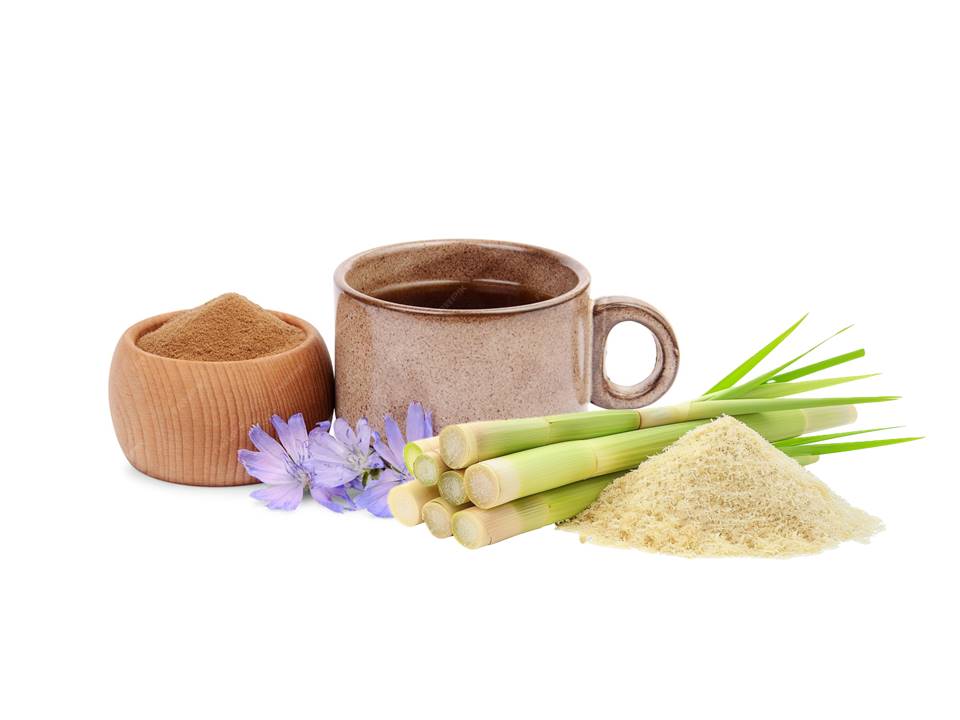
The global functional beverage industry has experienced unprecedented growth over the years, fueled by increasing consumer awareness of diet-related chronic diseases and a growing interest in natural, plant-based, health-promoting alternatives to caffeinated beverages. Functional beverages, such as kombucha, probiotic beverages, fortified fruit juices, plant-based milks, and herbal teas, have become popular as consumers are seeking beverages that offer both nutritional and functional benefits. Coffee and tea are the most widely consumed beverages. However, they both contain caffeine, which, when consumed in excess, can pose negative health risks such as cardiovascular, behavioral, and bone health effects. This has created a gap and, therefore, a need to develop non-caffeinated alternatives that can also provide additional health benefits to consumers. Among emerging options, lemongrass and chicory beverages have gained popularity because of their rich phytochemical profiles and therapeutic effects. Previous studies have shown that chicory and lemongrass confer health benefits to consumers, such as anti-inflammatory properties and anti-cancer potential but they have not been fully exploited, particularly in the development of a functional beverage. Chicory (Cichorium intybus L.) is a perennial herbaceous plant that belongs to the Asteraceae family. Chicory, which is caffeine-free has been used for a long time for nutritional purposes. For example, its roots contain inulin, a prebiotic fiber, that improves gut composition, supports bowel health, as well as high dietary fiber, which exhibits hypoglycemic properties.
Lemongrass (Cymbopogon citratus) is a tropical perennial aromatic herb that belongs to the Poaceae family. It is believed to have originated in Asia and is now widely cultivated in tropical and subtropical regions, including Australia and Africa. Lemon grass leaves have been used both in culinary applications and traditional medicine, particularly for their aromatic and therapeutic properties. This plant, therefore, represents a promising source of phytochemical-rich ingredients for functional food applications. For instance, lemongrass leaves are abundant in essential oils, predominantly citral, with concentrations ranging from 30.07–93.28 % . Citral has numerous health benefits, such as antimicrobial and anticancer effects. Additionally, the leaves have a significant concentration of polyphenolic compounds, including caffeic acid, chlorogenic acid, and flavonoids such as luteolin and apigenin, which contribute to their antioxidant capacity. Additionally, studies have shown that lemongrass is rich in minerals such as potassium, calcium, magnesium, zinc, and copper.
This this research bridges the existing gap by exploring the synergistic interaction between the phytochemical and sensory attributes of chicory and lemongrass to develop a non-caffeinated, health-promoting beverage that meets both nutritional and consumer acceptability standards.
This study demonstrated that partial substitution of roasted chicory powder with lemongrass powder (20–25 %) significantly enhanced the nutritional and functional qualities of the developed beverage without compromising sensory acceptability. The formulation provides a promising caffeine-free alternative to conventional coffee and tea beverages, combining enhanced antioxidant capacity with a pleasant citrus-herbal flavor profile. The observed improvements in total phenolic and flavonoid contents, as well as essential minerals such as zinc, magnesium, and phosphorus, highlight its potential contribution to dietary wellness and immune support. The synergy between chicory and lemongrass demonstrates a viable strategy for developing plant-based, functional beverages with improved acceptability and nutritional value.
www.sciencedirect.com/science/article/pii/S2772502225008480?dgcid=raven_...