
July 24, 2026
Burnout, defined as a response to chronic occupational stress characterized by emotional exhaustion, depersonalization, and a diminished sense of personal accomplishment, has become a significant occupational health concern, affecting approximately two-thirds of nurses in the United States. These challenges are compounded by national workforce shortages, with projected deficits of nearly 338,000 registered nurses (RNs) and more than 99,000 licensed vocational/practical nurses by 2036. Therefore in order to support clinician well-being, resilience, and workforce sustainability healthcare organizations are increasingly exploring integrative and complementary approaches.
Among these approaches, modalities such as mindfulness, yoga, meditation, and aromatherapy have demonstrated potential for reducing stress and burnout among healthcare professionals. Aromatherapy, in particular, has emerged as a low-cost, low-risk intervention with preliminary evidence supporting its effectiveness in stress reduction. Aromatherapy involves the therapeutic use of essential oils derived from aromatic plants. Through inhalation, aromatic compounds stimulate the olfactory system and limbic regions of the brain associated with emotion, memory, and behavior, potentially influencing neurochemical and hormonal pathways involved in stress regulation. Beyond its physiological effects, aromatherapy has longstanding roots within nursing theory and holistic nursing practice. Jean Watson's Theory of Human Caring provides a conceptual framework for understanding aromatherapy as more than a symptom-management intervention. Watson's theory emphasizes intentional presence, self-awareness, cultivation of healing environments, and the interconnectedness of caregiver and recipient within the caring-healing process.
Within this framework, aromatherapy may be understood as a caring-healing modality that supports self-regulation, reflective awareness, and restoration of inner balance among nurses. In high-demand clinical environments, opportunities for intentional pause and self-reflection are often limited, and chronic stress may diminish the nurse's capacity for authentic presence with patients and colleagues. Brief sensory-based interventions such as direct-inhalation aromatherapy may provide a practical means of interrupting stress responses and promoting the opportunity for moments of centered awareness. From a caring science perspective, these practices are not solely acts of personal wellness but may also support the nurse's capacity to engage in therapeutic relationships and contribute to healing care environments.
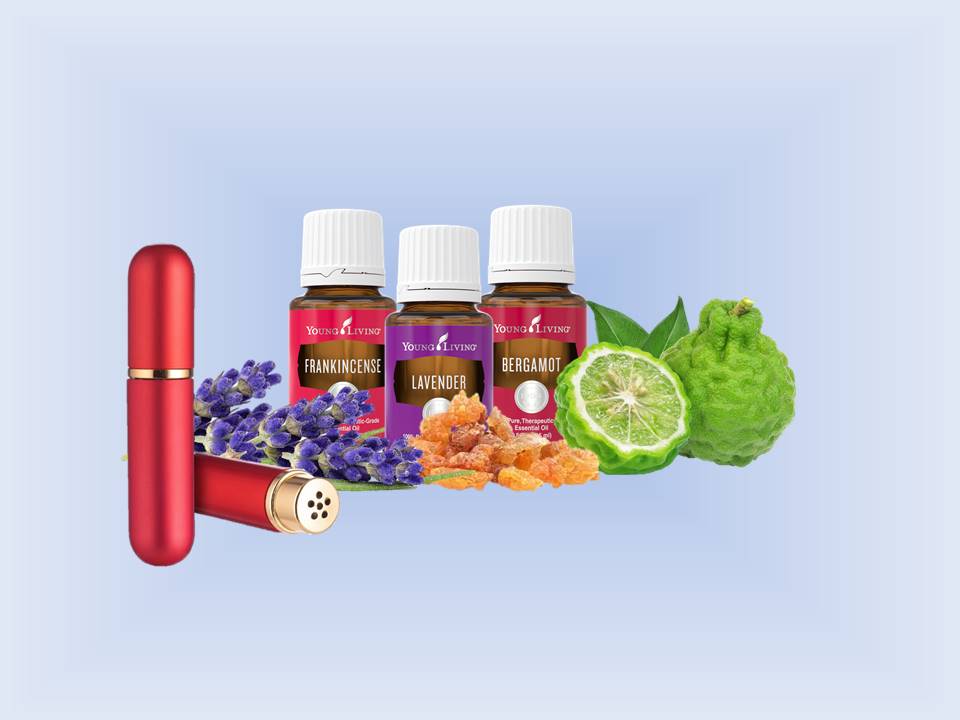
In this 2026 pilot clinical study, nurses used a personal nasal inhaler containing a blend of lavender, frankincense, and bergamot essential oils during their work shifts for two weeks whenever they felt they needed a brief moment to reset. Compared with their stress levels before the intervention, nurses reported feeling less stressed by the end of the study, with average workplace stress scores dropping by nearly one point on a 10-point scale and perceived stress scores also improving. No adverse events were reported, and the inhalers proved practical to use in busy healthcare settings. While this was a small study without a control group, the findings suggest that carrying a personal essential oil inhaler may be a simple, inexpensive way to help reduce workplace stress, although larger, randomized clinical trials are still needed to confirm the benefits.