
May 5, 2023

Ageing is a physiological period of life in which various changes take place, meaning that the elderly individuals must be given special consideration as a group with regard to health care. Negative changes occur in health status and systems with advancing age. Elderly individuals face many complex health problems and negatively affect their quality of life. Constipation is one of the common problems in the elderly individuals. Although constipation is a common problem, if it is not treated and it can cause many complications including fecal incontinenceanal fissuresbowel perforation, gas and bloating, back and waist pain, rectal pressure, nausea and vomiting, urinary dysfunction, fissure, rectal prolapsehemorrhoidsintestinal obstruction, and syncope.

The main non-pharmacological methods commonly used in the treatment of constipation are lifestyle changes, including increasing physical activity, fluid consumption, and fiber consumption. In addition, biofeedbackacupunctureacupressure, reflexology, abdominal and aromatherapy massage are other preferred methods for constipation management.

April 30, 2023

Insomnia, a condition that affects 6-20% of the population in different countries, refers to the disturbance of sleep onset, maintenance, or quality. Unlike primary insomnia, secondary insomnia is a sleep disorder caused by underlying medical, neurological, or psychiatric conditions such as neurodegenerative diseases, including depression, Parkinson’s disease (PD, Alzheimer’s disease, or dementia. The behavioral disturbances in dementia patients include insomnia, general tiredness, lethargy, irritability, and concentration or memory problems. The two most common forms of dementia are Alzheimer’s disease  and vascular dementia, characterized by a general loss of neurotransmitters.

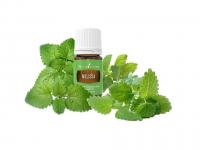
Hypnotic drugs such as benzodiazepine are used to manage insomnia. However, prolonged use of these drugs may lead to drug dependence, tolerance, bad sleep, rebound insomnia, deterioration in recognition function, and reduced effect. However, alternative remedies are being employed to overcome these challenges. In aromatherapy, kava-kava, valerian, chamomile, ylang-ylang, melissa, hops, and lavender oils are being used to improve sleep. These oils have mild sleep-inducing effects without negative changes and a low rate of side effects. Hypnotic drugs like benzodiazepines are used as a short-term therapy, whereas EOs can be used for an extended period.

April 26, 2023

The worst thing in the world is to try to sleep and not to. Insomnia is the most frequent sleep disorder worldwide and is a prominent risk factor for mental and physical health deterioration. The clinical application of common pharmacological treatments for insomnia is far from satisfactory due to their various adverse effects. These classic hypnotics can generally alleviate the symptoms of insomnia, but their side effects and adverse reactions, such as cognitive and memory impairment, headache, and withdrawal greatly limit their application. In recent years, drugs developed from natural herbs have become.

Nutmeg is one of our most powerful herbal sedatives. It possesses potent medicinal properties that can help calm the nerve and release serotonin which induces sleep. This Indian spice also contains trimyristin, a natural chemical that helps in inducing sleep, relaxing our tired muscles and nerves, and set in a sense of calm. Nutmeg is especially useful for people who tend to awaken too early or in the middle of the night and struggle to fall back to sleep. Using nutmeg for insomnia can help to reset sleep patterns. However, there are usually other underlying reasons for the insomnia that also need to be addressed.

April 23, 2023

Going swimming in a chlorinated pool? You may want to consider inhaling thyme essential oil. Sodium hypochlorite (used to purify pools) can wreak havoc on the skin, lungs, and eyes. Inhaling thyme essential oil reduced the harmful effects of sodium hypochlorite on the lungs in a preclinical model. Sodium hypochlorite (NaOCl) is a chemical compound composed of sodium, oxygen, and chlorine. It is used in the food industry, health care, purification of drinking water, endodontic treatment, disinfection, and bleaching. It was used at 3–5% concentration in household disinfectants (bleach), 0.5–10% in endodontic treatment, and 10–25% in fabric bleaching. Household disinfectants are especially easy to access and widely used. Due to its strong oxidizing properties, sodium hypochlorite can cause significant risks from long-term exposure. Sodium hypochlorite inhalation exposure is common in households and industry due to using as a disinfectant.

April 19, 2023

In biblical times Myrrh was considered just as valuable as gold. Like frankincense, it is the sap from a myrrh tree, dried into a gum resin. It was probably used mostly as a painkiller as well as a treatment for sores, coughs, infections, and worms. The word myrrh means bitter, which was given to the substance because of its bitter taste.

The Bible records myrrh showing up three times in the life and death of Jesus ChristMatthew states that the Three Wise men visited the child Jesus, bringing gifts of gold, frankincense, and myrrh. Scholars believe that myrrh was given to Jesus by the wise men because its bitter taste represented the hard times he would have in his life. It may have also foreshadowed his death.

 Mark notes that when Jesus was dying on the cross, he was offered wine mixed with myrrh to dull the pain, but he did not take it. It was a merciful custom of the Jews to give those condemned to crucifixion, with a view to producing stupefaction, a strong aromatic wine. Among the ancients, myrrh was regarded as having great effect as a pain killer. Accordingly, the pious women who followed Jesus were only acting according to immemorial custom, when they followed Him weeping, bearing the cup of wine, mingled with myrrh, and offered it to Him before He was stretched on the cross, and His hands and feet nailed to the wood. He, however, turned away His head. He would not drink of the offered cup; not because He disapproved of the piety and pity of the women who offered it, but because He would not seem in any way to evade the sufferings He had come to endure. Finally, John says  Nicodemus brought a mixture of 75 pounds of myrrh and aloes to anoint Jesus' body, then wrapped it in linen cloths and laid in the tomb.

Pages

Subscribe to Blog RSS Feed