July 26, 2025

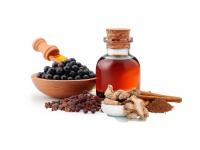
Saffron is derived from dark red stigmata of a bulbous and perennial herbal plant known as Crocus sativus L. It belongs to the Iridaceae family that is considered the most expensive carotenoid-rich spice and is widely available in Iran, India, and some European countries such as Italy, Spain, Greece, and France. Four main bioactive secondary metabolites which contribute to the overall appearance, taste, and potential biological activities of saffron are picrocrocin (bitter taste), crocetin (yellow-orange color), crocin (yellow-orange color), and safranal (hay-like fragrance). Besides, saffron is constituted by other metabolites such as carotenoids, terpenes, isophorones, anthocyanins, and flavonoids. Saffron has been used to treat a variety of diseases such as diabetes, hyperlipidemia, Alzheimer's disease, depression, epilepsy, cancer, cardiovascular, and sexual disorders. Various investigations suggested that saffron may possess a plethora of pharmacologic effects including anti-oxidant, anti-inflammatory, anti-nociceptive, anti-genotoxic, anti-nociceptive, anti-atherosclerotic, insulinotropic, neuroprotective, immunomodulatory, and cytotoxic effects.

While there are a variety of claimed medicinal properties of saffron, it is essential to assess the effects of saffron on liver function. Liver is an important organ responsible for many functions such as metabolism of xenobiotics, regulation of blood coagulation, storage of nutrients, synthesis of bile and proteins, and elimination of microorganisms in the body.

July11, 2025

Tea tree oil has a number of medicinal benefits, especially in the form of fighting various infections of the skin.

What is Tea Tree?

The Tea Tree herb is scientifically known as Melaleuca alternifolia. Tea tree is a small tree or shrub that can grow up to seven meters tall. It has narrow, needle-like leaves that are soft and aromatic. The tree produces white or pale-yellow flowers arranged in spikes.

Tea tree is native to the coastal regions of New South Wales and Queensland in Australia. It grows in swampy, waterlogged soils and is commonly found in wet, low-lying areas.

Tea tree oil is typically made through steam distillation of the Melaleuca’s potent leaves.

Primary Compounds in Tea Tree

Terpinenes: These make up the main active components responsible for its antimicrobial and anti-inflammatory properties.

Limonene: Another compound contributing to its antimicrobial effects.

Terpineol: Known for its antiseptic properties.

Eucalyptol: Contributes to its antiseptic and anti-inflammatory properties.

Terpinolene: Adds to the antimicrobial activity. 

P-cymene: An aromatic compound with antiseptic properties.

Other notable compounds include pinene, linalool, piperitol, cineole, and humulene.

Health Benefits

1. Antimicrobial Properties

2. Anti-inflammatory Effects

3. Antifungal Activity

4. Antiseptic for Minor Cuts and Abrasions

5. Skin Health.

June 27, 2025

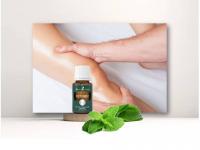
Osteoarthritis is a degenerative cartilage disease characterized by progressive deterioration and functional loss.  In females, the incidence, severity, and prevalence of osteoarthritis increase during the menopausal period. Current guidelines for the treatment of knee osteoarthritis recommend the combined use of pharmacological and non-pharmacological methods. Aromatherapy is a complementary therapy utilized in the treatment of joint diseases such as knee osteoarthritis. Aromatherapy involves the therapeutic use of essential oils and plant extracts containing essential oils in a safe and supportive manner. The components of essential oils used during aromatherapy massage are reported to reduce pain by affecting the release of neurotransmitters such as dopamine, endorphins, norepinephrine, and serotonin through lymph and blood vessels in the epidermis.

May 21, 2025

Depression is a multifaceted affective mental disorder with a variety of clinical manifestations, such as weight loss, diminished interest, an inability to express emotions, and disruptions in appetite and sleep patterns. It ranks as the primary contributor to the global incidence of suicide among the 20 leading causes worldwide. Conventional Western antidepressant drugs exhibit limited clinical utility due to inherent shortcomings such as severe adverse effects, high costs, and a propensity for relapse upon discontinuation, making patient adherence to treatment challenging. Volatile oil, as the principal active ingredient of aromatic Chinese medicine, possesses therapeutic properties such as soothing, anti-inflammatory, and neuroprotective effects, thereby conferring a distinct advantage in the treatment of mental illnesses such as depression, anxiety, and insomnia. Volatile oils have been documented to be able to access the central regions of the brain, allowing for a more potent antidepressant effect with fewer adverse reactions and reduced toxicity.

May 10, 2025

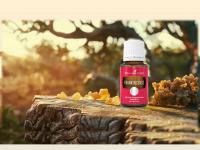
Wounds are disruptions in the integrity of the skin or underlying tissues caused by physical, chemical, or biological factors.  Wound healing is a complex process involving inflammation, oxidative stress, immune modulation, and tissue regeneration. Effective wound management prevents complications such as infections and promotes faster recovery. Frankincense essential oil, derived from the resin of the Boswellia tree, has been historically used for its medicinal properties, including wound healing. The oil contains bioactive compounds such as boswellic acids, which exhibit anti-inflammatory, antimicrobial, and antioxidant properties. These attributes make it a valuable agent in promoting wound repair. Frankincense essential oil helps reduce inflammation in the wound area, creating an optimal environment for healing. Its antimicrobial effects help prevent infections, while its antioxidant properties combat oxidative stress, which can delay healing.

Pages

Subscribe to Blog RSS Feed